
Product Selection
Choosing Apparel Accessories: Laces, Badges and Hardware
Apparel programs combine small accessories—laces, woven details, molded or printed badges, eyelets, buckles, zipper pulls and other hardware. They may share a color story while using different materials and processes. This guide organizes decisions and technical questions before a buyer requests samples or quotes; confirm that each requested construction is currently available before planning it into a collection.
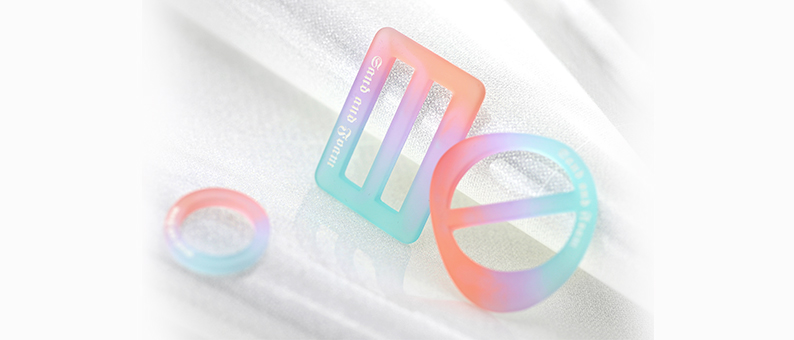
Begin with a component map
Label each accessory by location and function. Distinguish moving or load-bearing parts from decorative details. A lace must pass through eyelets and adjust; a badge needs appropriate attachment. The map helps avoid a generic “garment accessory” quote that lacks the application details needed for review.
For every part, record its relationship with neighboring materials, whether it touches skin or lining, whether it can be removed, and the exposure it may receive. These details influence material, edge, finish and testing. Ask engineering to identify dimensions critical to fit or assembly.
Laces and cords need a use-specific brief
If a project uses a lace, state finished length, width or diameter, construction, fiber or material preference, color, tip design and intended eyelet path. Describe stretch or hand requirements only if the team can evaluate them consistently. Show the lace beside the intended upper and through the eyelets, not only coiled on a table.
Confirm current capability for the requested construction before treating it as an available product. Ask for a relevant sample and define checks such as length, visual consistency, end finish or behavior in the garment. An unfamiliar item may need a trial before the pattern or launch plan is finalized.
Woven tape and textile trim
Specify width, thickness or weight where relevant, pattern, colors, fiber preference, edge treatment and placement. Explain if the trim will be stitched, folded, bonded or exposed. Artwork should indicate repeat size, direction and areas that must align at seams.
Consider how the trim changes when curved, stitched or tensioned. A flat swatch may not show the result on a contoured upper. Request a sample in intended width and construction. For special weave or jacquard, clarify repeat, MOQ and setup charges in the quotation rather than assuming one standard applies.
Molded badges require more than a logo
For a molded badge, provide outline, thickness, relief, edge radius, back profile and attachment area. Show how it attaches and whether it needs to flex with the garment. State if it sits on a surface, in a recess, on a tongue or near a flex point; these details can affect mold and sample planning.
Ask which material is proposed and what evidence supports the intended properties. Rubber, silicone, TPU and PVC are not interchangeable terms. If flexibility, adhesion, color or chemical restrictions matter, name the relevant test and criteria. Tooling, ownership, MOQ and lead time are project-specific and need written confirmation.
Metal and plastic hardware
Hardware may be functional or decorative. Define material preference, dimensions, edge finish, plating or color, moving parts, attachment and expected use. For eyelets or buckles, inspect installation in the intended upper and whether the back side is exposed or covered.
Review finish against a physical reference when color or gloss matters. Ask whether the specified finish has relevant evidence for this product and lot. A report for one metal part does not prove another finish has the same result. Keep part IDs and approved samples distinct for similar pieces.
Coordinate color across substrates
A collection may request one brand color across lace, tape, molded badge and metal. Each substrate takes color differently; one digital swatch is not proof of a perfect match. Decide which component is the master, which differences are acceptable and whether review uses agreed lighting.
Review samples together. A coordinated palette may be more achievable than identical color across all materials. Record any agreed tolerance and identify which parts need closer matching. If an alternative material is proposed, compare appearance and performance evidence before production approval.
Attachment determines the finished look
The component and attachment method should be developed together. A badge may be sewn, heat applied, bonded, riveted or mechanically fixed depending on substrate and design. A lace tip may be crimped or finished another way. Confirm the process for the exact part instead of assuming it is available.
Ask for a sample installed on a representative material stack. Review edge lift, puckering, distortion, stitch visibility and ease of assembly. A loose-part sample can confirm appearance but may not demonstrate the apparel factory’s installation result. Put responsibility for installation trials into the plan.
Compare options in one table
Compare function, construction, material, appearance, attachment, MOQ, tooling, sample scope, test evidence and target delivery. Note whether quote includes individual packing, branding, color separation or testing. Mark exclusions so a buyer does not compare offers with different scopes.
For several trims on one garment, create one row per component and attach labeled images. Assign part IDs and revisions. This avoids confusion between similar pieces with different material or back construction and makes it easier to consolidate questions and obtain internal approval.
Confirm before final selection
Check whether requested item types are supported; get a written construction description; review a sample in intended use; document material and color references; align MOQ, tooling, test scope and packaging; and save approved revision. These are sourcing controls, not a promise that every accessory can come from one source.
For an environmental or safety claim, verify which material or component it covers, what documents support it and whether the evidence is current. Keep supplier statements, test reports and marketing copy linked to the part. Have the compliance lead review customer-facing language before it is published.
Discuss an apparel trim project
Attach a drawing or reference image, identify application, quantity and destination, and list required tests or documents. Product availability and terms are confirmed against the specific brief.
Send a project inquiry →